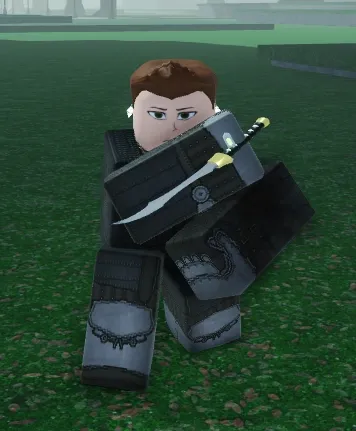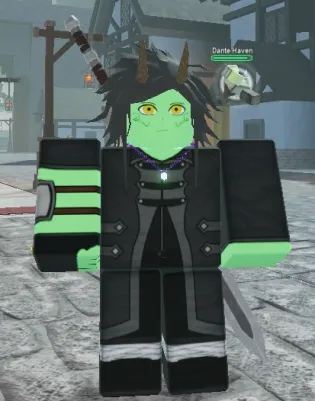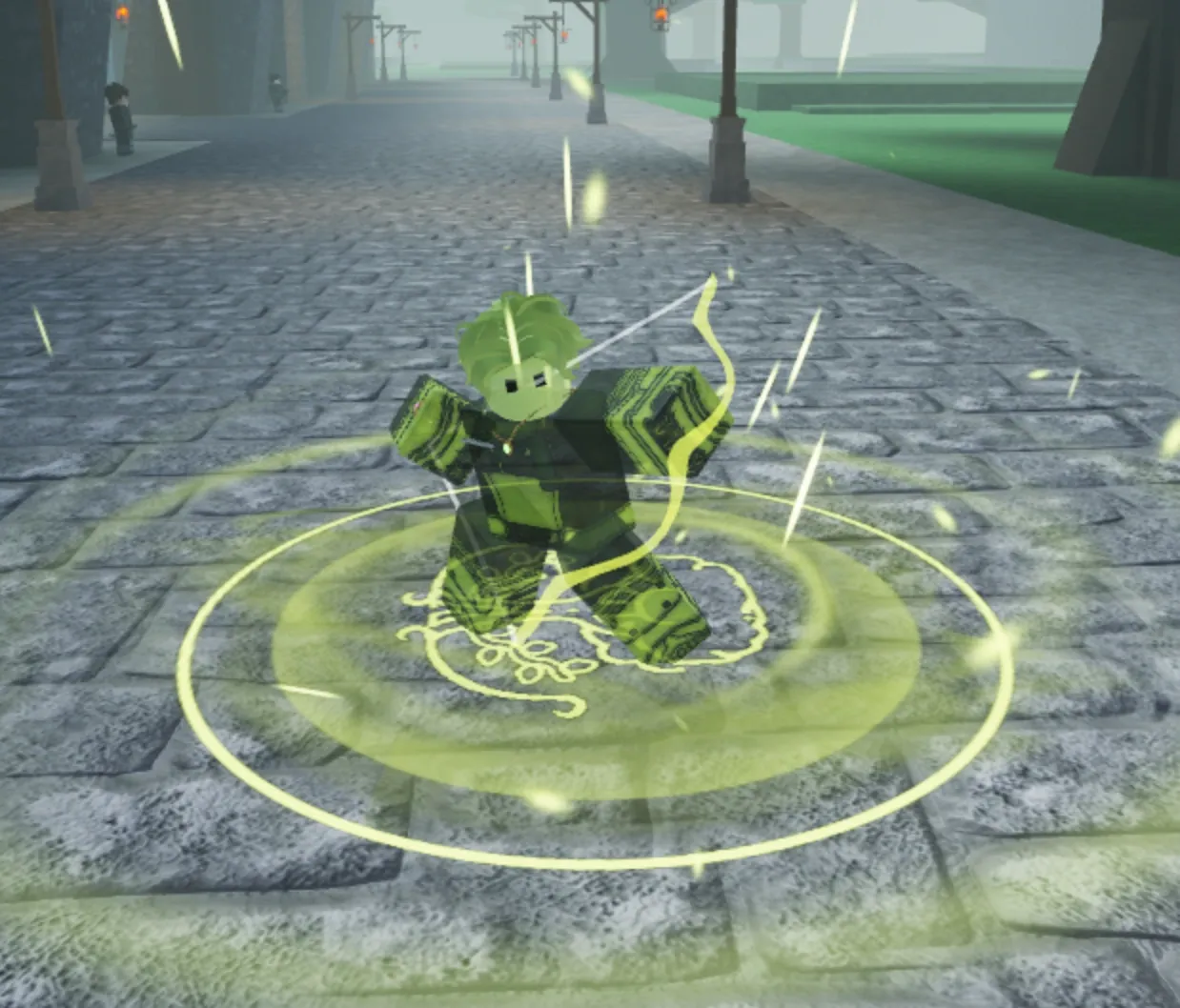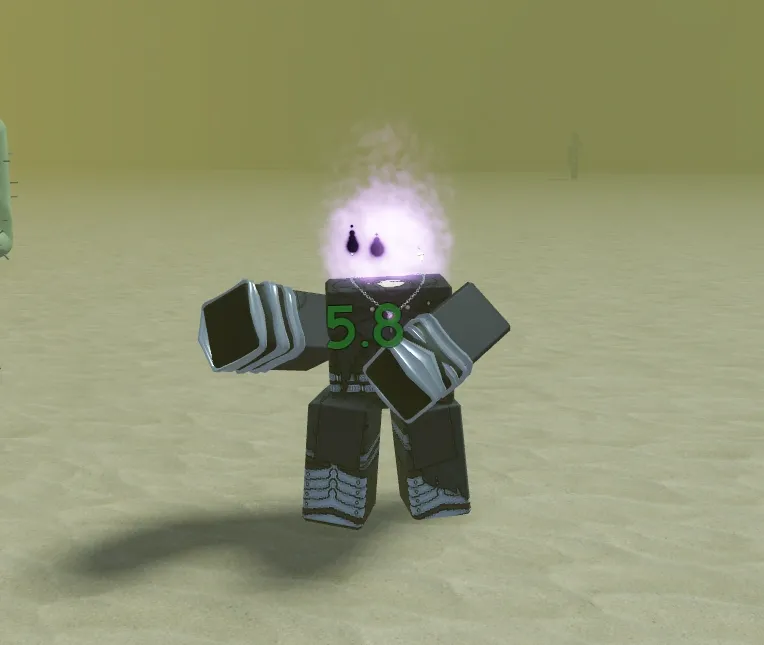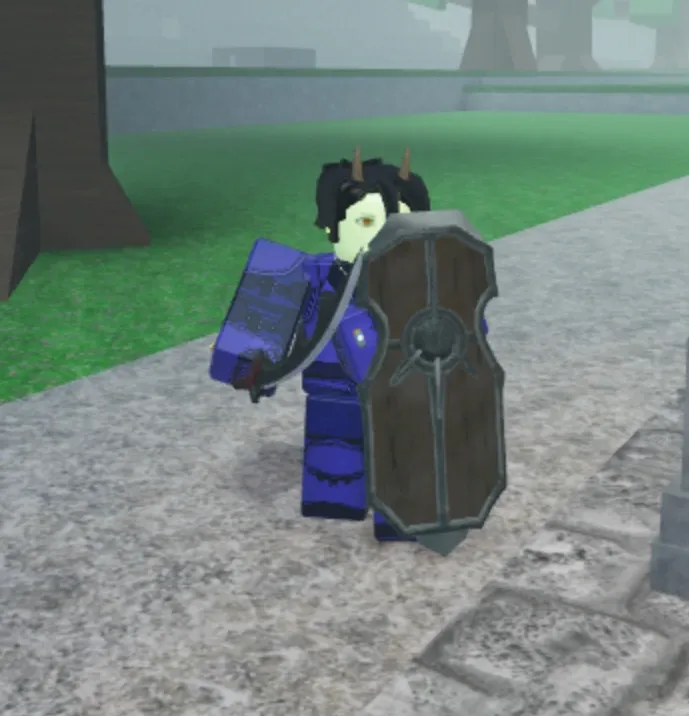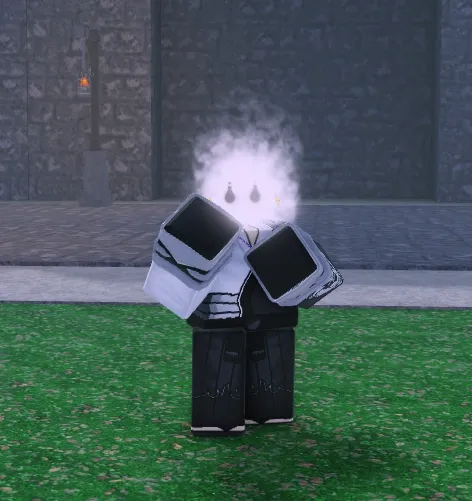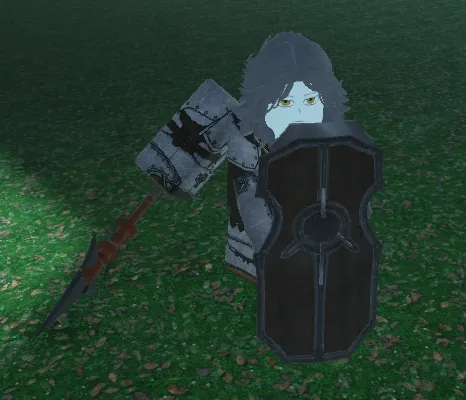
Arcane Lineage classes
This guide breaks down Base, Super (Neutral/Orderly/Chaotic), and Sub classes. Learn how classes work, what weapons they use, alignment requirements, and how to unlock every class path
What Are Arcane Lineage Classes?
If you've just started playing, here's what you need to know: Arcane Lineage classes aren't like typical RPG classes where you pick one and stick with it forever. Instead, the game gives you a layered system that opens up as you level.
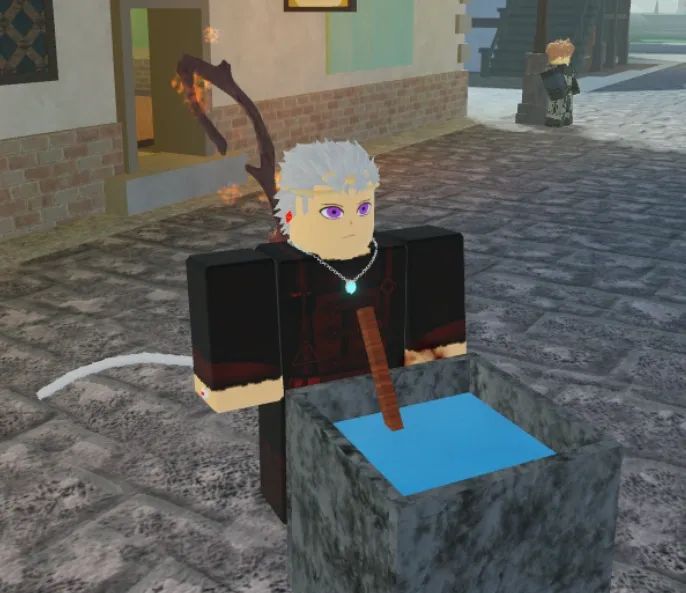
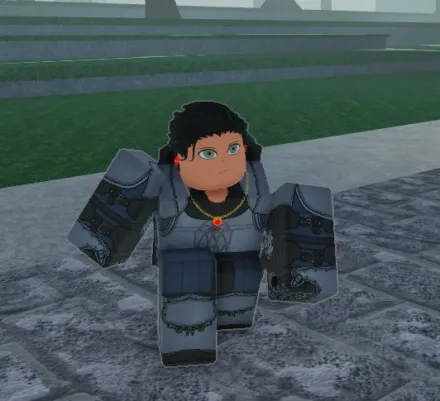
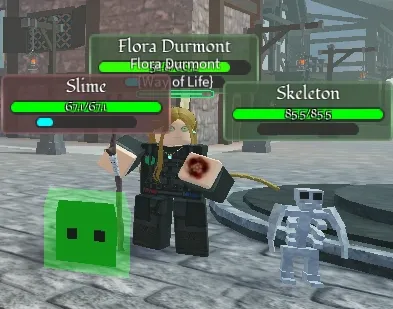
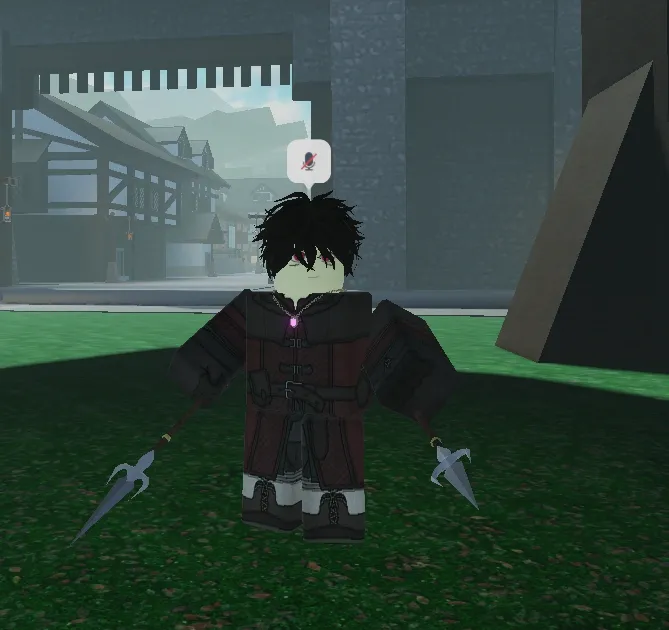
You begin with a Base Class at level 5. That decides your weapon—sword, dagger, spear, fists, or staff. Then at level 15, you evolve into a Super Class. This is your real combat identity. It defines your role: damage dealer, tank, healer, or support. Finally, Sub Classes add extra tools on top, regardless of your main class.
The system is built around three moral paths: Neutral (balanced, no alignment needed, but costs more gold), Orderly (healing and buffs, requires Order alignment), and Chaotic (high damage and debuffs, requires Chaos alignment). Each Base Class has one Super Class in each of these three branches.
In short, Arcane Lineage classes give you freedom. You're not locked into a single playstyle. You can grind gold for a Neutral class, or commit to quests for Order or Chaos.
How Arcane Lineage Classes Work: The Basics
Before you start hunting down trainers, get the core mechanics down. Every class in Arcane Lineage shares a few common rules.
Level gates. You can't just walk up to any trainer. Base Classes require level 5. Super Classes unlock at level 15—but you won't learn all of their skills until level 23. That's when a class truly comes online.
Minigames. Every class has a unique minigame for its skills. Warriors time spacebar hits on a blue bar. Thieves hit spacebar when an arrow points to a gap. Martial Artists follow arrow key patterns. Slayers click LMB on solid blue circles. You'll need to learn these, or your skills will fail.
Weapon lock. Your Base Class decides your weapon type. No equipping a greatsword as a Thief. However, some Super Classes like Berserker unlock new weapon options (Greatsword) through passives.
Alignment matters—but only for Orderly and Chaotic. Neutral Super Classes don't care about your reputation. Just bring extra gold (750 per skill vs. 400 for the others). For Orderly, you need Order alignment. For Chaotic, you need Chaos alignment. You can gain alignment through specific quests or potions.
Trainer locations are not random. Neutral classes are mostly in the forest biome (except Rogue in the desert). Orderly trainers are in the desert (except Ranger in Westwood Heart). Chaotic trainers are in Deeproot Canopy or Cess Grounds. Knowing this saves hours of wandering.
Final Tips for Choosing Your Arcane Lineage Class
After testing every class in this guide, here's my honest advice:
- Solo farming? Berserker or Darkwraith.
- Group healer? Saint, no contest.
- First playthrough? Pick a Neutral class like Lancer or Brawler—no alignment grinding, solid performance.
- Want to break the game? Hexer with Inverse Abyss + Abyss Anchor + Dark Glare turns bosses into jokes.
- Don't sleep on passives. Skills get all the attention, but passives like Bloodlust (Berserker) or Holy Emissary (Saint) are what make builds truly strong.
And remember: you can always switch. Nothing locks you in permanently. Try different Arcane Lineage classes, see what clicks, and don't be afraid to spend gold on respecs—it's cheaper than rerolling a new character.
Frequently Asked Questions
What's the best class in Arcane Lineage?
There's no single "best." Saint is best for healing, Berserker for farming, Hexer for debuff control. Pick based on your role.
Do I need alignment for Neutral classes?
No. That's the point. You just pay more gold.
Can I learn every skill from my class?
Yes, but you need to be level 23 to unlock all of them.